
Summer Tree Care: 5 Essential Tips for Woodland & Davis
Summer tree care involves providing deep, consistent hydration, applying organic mulch to regulate soil temperature, and monitoring for signs of drought stress or pest infestations. In the high-heat environments of Woodland and Davis, CA, proper maintenance ensures trees retain moisture, protect their root systems, and avoid structural damage during extreme summer temperatures.
How often should I water my trees in the summer?
In Yolo County, the summer heat can be relentless, often pushing temperatures well above 90 degrees for weeks at a time. For homeowners in Woodland and Davis, understanding the specific hydration needs of your landscape is the first step in successful summer tree care. Unlike your lawn, which prefers frequent, shallow watering, trees thrive on deep, infrequent soaking. This encourages roots to grow deeper into the soil, where they are better protected from the surface heat.
For mature trees, a deep soaking every two to three weeks is generally sufficient, provided the water reaches a depth of 12 to 18 inches. Newly planted trees, however, require more frequent attention—often two to three times per week—because their root systems are not yet established enough to seek out distant moisture. Using a soaker hose or a drip irrigation system is the most efficient way to deliver water directly to the root zone while minimizing evaporation loss.

Strategic Watering Techniques for California Summers
To maximize the impact of your watering routine, consider these local strategies:
- Water during the early morning: Between 5:00 AM and 9:00 AM is ideal, as lower temperatures reduce evaporation and allow water to soak in before the midday sun hits.
- Focus on the drip line: The drip line is the area directly located under the outer circumference of the tree's branches. This is where the most active "feeder roots" reside.
- Avoid the trunk: Keep water away from the base of the trunk to prevent fungal rot and other moisture-related diseases.
- Check soil moisture manually: Use a screwdriver or soil probe. If it’s hard to push into the ground, your soil is too dry.
- Adjust for soil type: Woodland often has clay-heavy soil which retains moisture longer but absorbs it slower; avoid runoff by watering in short cycles.
If you are unsure about your irrigation setup, our Woodland Tree Services team can help evaluate your property's specific needs.
What is the best way to mulch trees for heat protection?
Mulching is essentially a protective blanket for your tree’s root system. In the scorching Davis and Woodland summers, bare soil can reach temperatures that literally cook the fine roots responsible for water absorption. Applying a layer of organic mulch—such as wood chips, shredded bark, or compost—insulates the soil, keeping it significantly cooler and significantly reducing the rate of water evaporation.
When applying mulch, the "donut" method is the gold standard. You should spread a 2- to 4-inch layer of mulch around the base of the tree, extending as far out as the drip line if possible. However, you must leave a 3- to 6-inch gap between the mulch and the actual tree trunk. Piling mulch against the bark—often called "volcano mulching"—traps moisture against the wood, which can lead to decay and provide a gateway for wood-boring insects.
Benefits of Proper Mulching in Yolo County
- Moisture Retention: Cuts evaporation by up to 70%, meaning you water less often.
- Weed Suppression: Reduces competition for water by preventing thirsty weeds from germinating.
- Soil Quality Improvement: As organic mulch breaks down, it adds vital nutrients back into the soil.
- Erosion Control: Prevents the hard-packed soil common in Northern California from washing away during sudden summer thunderstorms.
Maintaining a healthy soil environment is a core part of our Preventative Care Package , designed to keep your landscape resilient year-round.
Common signs of drought stress in California trees
Trees don't always show their thirst immediately. By the time you see physical changes, the tree may already be in a state of significant stress. For homeowners in the Sacramento Valley, keeping a watchful eye on the canopy is essential during July and August. Early detection allows you to adjust your summer tree care routine before permanent damage occurs.
Look for these key indicators of drought stress:
- Wilting or drooping leaves: Leaves may lose their crispness and hang limply even in the evening.
- Yellowing or browning (Leaf Scorch): The edges of the leaves may turn brown and brittle, starting from the tips.
- Premature leaf drop: Deciduous trees may start dropping leaves in mid-summer as a survival mechanism to reduce water loss.
- Curling or folding leaves: Some species will roll their leaves inward to protect the stomata (breathing pores) from the sun.
- Thinning canopy: A general lack of density in the foliage compared to previous years.

If your tree is exhibiting these symptoms and doesn't respond to increased watering, it may be time to consult a professional. At Woodland Tree Service Inc., we offer specialized Davis Tree Services to diagnose and treat trees suffering from extreme heat exposure.
Why shouldn't I prune trees in the middle of a heatwave?
While it might be tempting to clean up your trees during your summer yard work, heavy Tree Trimming during a heatwave can be detrimental. Pruning is a surgical process that triggers a growth response in the tree. When a tree is already struggling to stay hydrated in 100-degree weather, it doesn't have the energy reserves to heal wounds or produce new growth.
Furthermore, the outer canopy of a tree acts as a natural sunshade for the inner branches and the trunk. Removing too much foliage at once exposes previously shaded bark to direct, intense UV rays. This can lead to "sunscald," where the living tissue beneath the bark is damaged, creating entry points for pests and disease. In the Woodland and Davis areas, we recommend limiting summer pruning to the removal of dead, damaged, or diseased wood—often referred to as "deadwooding."
When Summer Pruning is Actually Necessary
- Hazardous Branches: Any limb that poses an immediate risk to people or property should be addressed regardless of the temperature.
- Fruit Tree Maintenance: Some fruit trees require light thinning in summer to improve air circulation and fruit quality.
- Clearing Sightlines: Ensuring branches aren't blocking stop signs or sidewalk access in Davis neighborhoods.
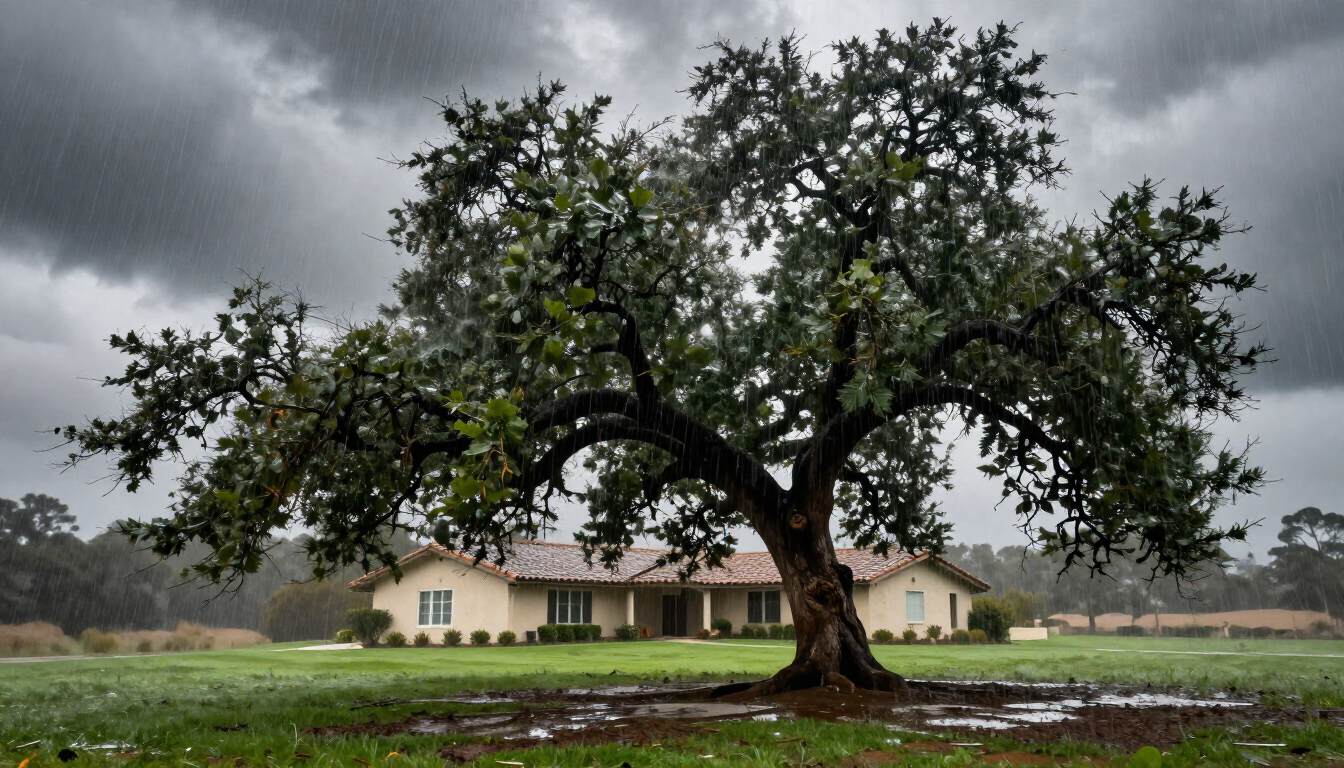
- Storm Damage: If a summer windstorm breaks a branch, it needs a clean cut to prevent further tearing.
If you find yourself facing a broken limb after a summer storm, remember we offer 24/7 Emergency Tree Service to keep your property safe.
Managing Summer Pests and Diseases
Heat-stressed trees are like a beacon for opportunistic pests. When a tree is healthy, it can produce chemical defenses (like sap or resin) to fend off invaders. However, when summer tree care is neglected and the tree becomes dehydrated, its defenses drop. In Yolo County, we see an uptick in several specific pests during the warmest months.
Aphids and Whiteflies thrive in the warmth, sucking the sap from new growth and leaving behind a sticky substance called honeydew. This honeydew can then lead to "sooty mold," a black fungus that covers leaves and blocks sunlight. Bark Beetles are a more serious threat; they tunnel into the trunk of stressed pines and oaks, often leading to the eventual need for Tree Removal if the infestation becomes widespread.
To protect your landscape:
- Inspect the undersides of leaves for small insects or eggs.
- Watch for unusual sap oozing from the trunk.
- Keep the tree hydrated to maintain its natural internal pressure and sap flow.
- Avoid over-fertilizing with nitrogen in the summer, as this produces lush, soft growth that pests love.
When to call a professional arborist for summer care?
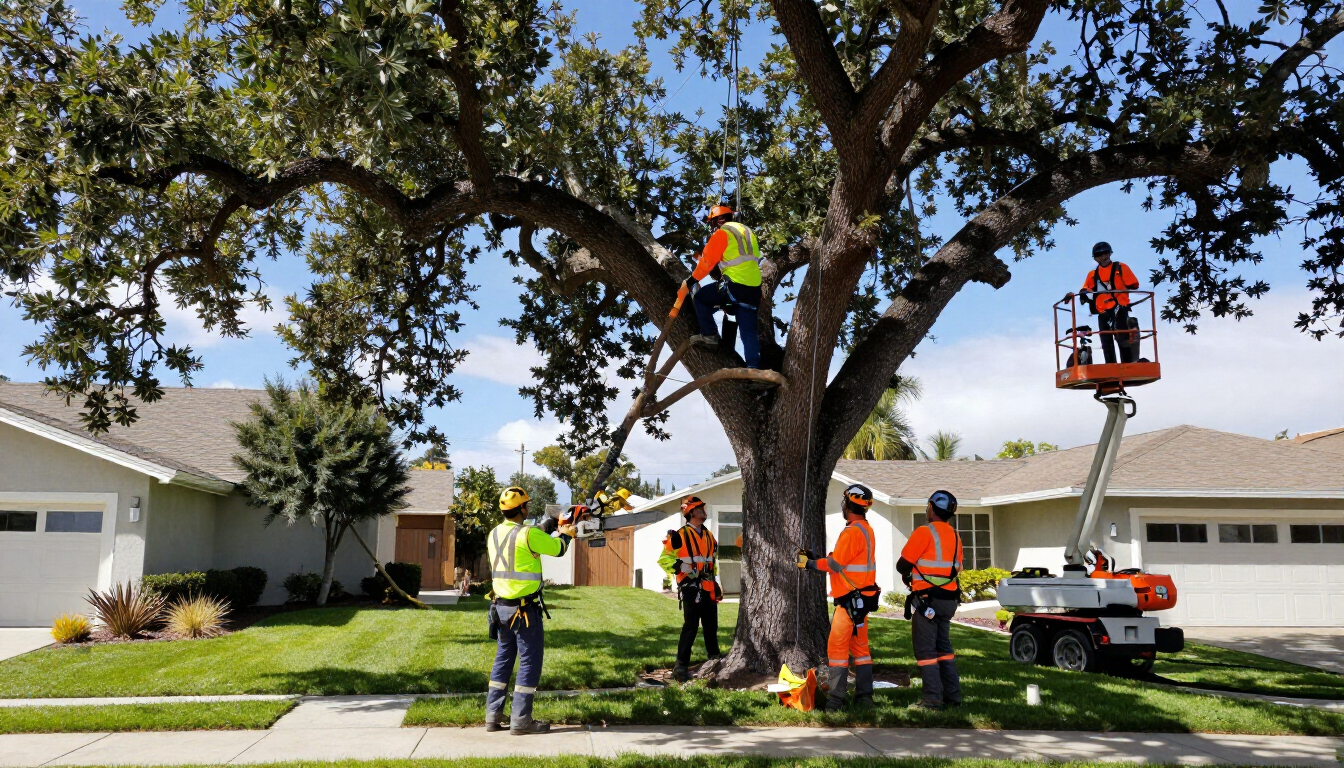
While many aspects of summer tree maintenance can be handled by a dedicated homeowner, certain situations require the expertise and equipment of a professional. Denis and the team at Woodland Tree Service Inc. bring over a decade of experience to every job, ensuring that your trees aren't just surviving the summer, but thriving in it. As a licensed (#1117314) and insured provider, we understand the specific soil conditions and climate challenges of the Sacramento Valley.
Professional intervention is recommended if you notice structural cracks in the trunk, large sections of the canopy dying back, or if you have mature trees that require high-altitude maintenance. We can provide deep-root fertilization, professional-grade pest treatments, and structural cabling if a tree is at risk of splitting under the weight of its summer foliage.

Essential Summer Tree Maintenance Checklist
To ensure your landscape stays healthy throughout the season, follow this simple checklist:
- Watering: Deep soak mature trees every 2 weeks; check young trees every 2-3 days.
- Mulching: Maintain a 3-inch layer of wood chips in a "donut" shape around the base.
- Inspection: Walk your property weekly to look for leaf scorch, wilting, or pest activity.
- Protection: Avoid heavy pruning or major landscaping projects near the root zone during heatwaves.
- Safety: Identify and remove any dead branches that could fall during afternoon summer winds.
Conclusion: Keeping Your Woodland & Davis Canopy Green
Successful summer tree care in Northern California is a balance of consistent hydration and minimal disturbance. By prioritizing deep watering early in the day, maintaining a thick layer of organic mulch, and avoiding the stress of heavy pruning during peak heat, you can protect your investment and enjoy a cool, shaded landscape. Remember that a healthy tree is your best defense against the rising temperatures of the Yolo County summer.
If you’re concerned about the health of your trees or need expert assistance with pruning or removal, don't hesitate to reach out. Our team is dedicated to leaving your property cleaner than we found it while providing the highest standard of care. Contact us today for a consultation or to learn more about our specialized services in Woodland and Davis.
Recent Posts