
How to Tell if a Tree Is Going to Fall: 8 Warning Signs
You can tell if a tree is going to fall by looking for eight key signs: a sudden lean, deep trunk cracks, decaying bark, dead overhead branches, root damage (mushrooms or soil lifting), hollow cavities, weak V-shaped branch unions, and premature leaf loss. These indicators signal structural instability requiring immediate inspection.
How can I tell if a tree is going to fall?
For homeowners in Woodland and Davis, California, trees are more than just landscaping; they provide essential shade against the Central Valley heat and add significant value to your property. However, a tree that has become structurally unsound poses a massive liability. Identifying the signs a tree is going to fall before a storm hits is the best way to prevent property damage or injury. The transition from a healthy tree to a hazardous one isn't always overnight, but the warning signs are usually there if you know where to look.
1. A Sudden or Significant Lean
While many trees grow at a slight angle naturally as they reach for sunlight, a sudden lean is a major red flag. If a tree that was once straight is now tilting, or if the lean has noticeably increased after a high-wind event in Yolo County, the root system may be failing.
Look at the base of the tree on the side opposite the lean. Do you see mounds of soil or exposed roots? This is known as "heaving," and it suggests the tree is literally being pulled out of the ground. Conversely, look for a dip or indentation in the soil on the side the tree is leaning toward, which indicates the roots are being crushed. If you notice these symptoms, you likely need 24/7 Emergency Tree Service to address the hazard before gravity takes over.
2. Deep Vertical Cracks or Cankers in the Trunk
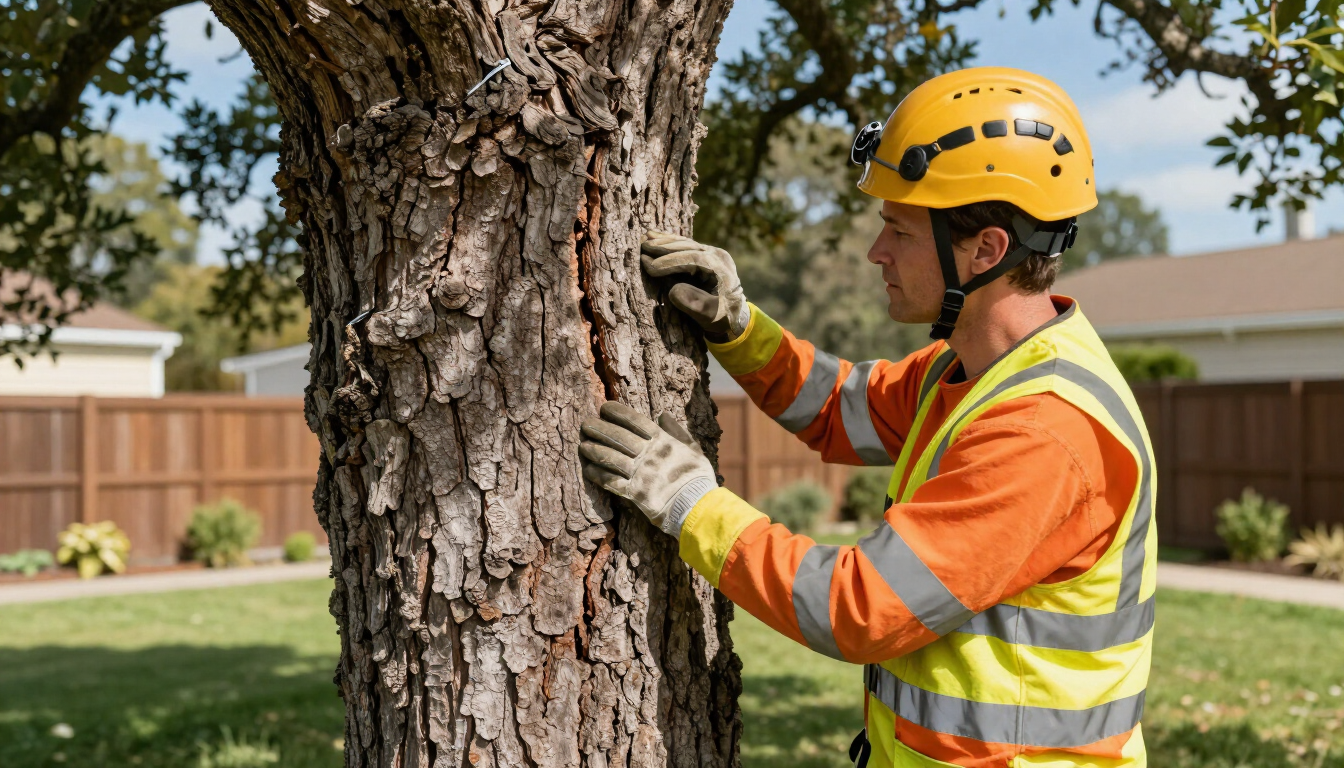
A healthy trunk should be a solid, continuous pillar. If you notice deep, vertical cracks that penetrate through the bark and into the inner wood (the sapwood), the tree’s structural integrity is compromised. These cracks often act as "stress points" where the tree is likely to snap during a storm.
Cankers are another concern. These are isolated areas of dead bark or open sores on the trunk, often caused by fungi or bacteria. If a canker wraps around more than half of the tree's circumference, the tree is at high risk of breaking at that specific point. This is especially dangerous for large Valley Oaks common in our area, which carry immense weight in their canopy.
3. Missing or Peeling Bark
Bark is the tree’s protective skin. While some species like Sycamores naturally shed bark in patches, most trees should have a consistent bark cover. If you see large sections of bark falling off to reveal smooth wood underneath, it is a sign of "deadwood." This often indicates that the vascular system in that area has died, meaning the tree is no longer receiving nutrients. When bark falls off in conjunction with fungi growth, it usually points to internal rot that is hollowing the tree from the inside out.
What are the most dangerous signs of a leaning tree?
Not all leans are created equal. A tree that has grown at an angle since it was a sapling has likely developed "tension wood" or "compression wood" to support its weight. However, a "hazard lean" is typically defined by a lean of more than 15 degrees from vertical that has occurred recently.
4. Dead or Hanging Branches (Widowmakers)
In the tree care industry, large dead branches are often called "widowmakers" for a reason. If the upper canopy of your tree contains branches that have no leaves, no bark, or are brittle enough to snap in a light breeze, the tree is in a state of decline. These branches often fall without warning.
During our routine Tree Trimming , we often find that dead branches are symptoms of a larger systemic issue. If the top of the tree (the leader) is dying back, it’s a sign that the roots can no longer pump water to the highest points, suggesting the tree may be nearing the end of its life cycle.
5. Fungal Growth and Root Decay
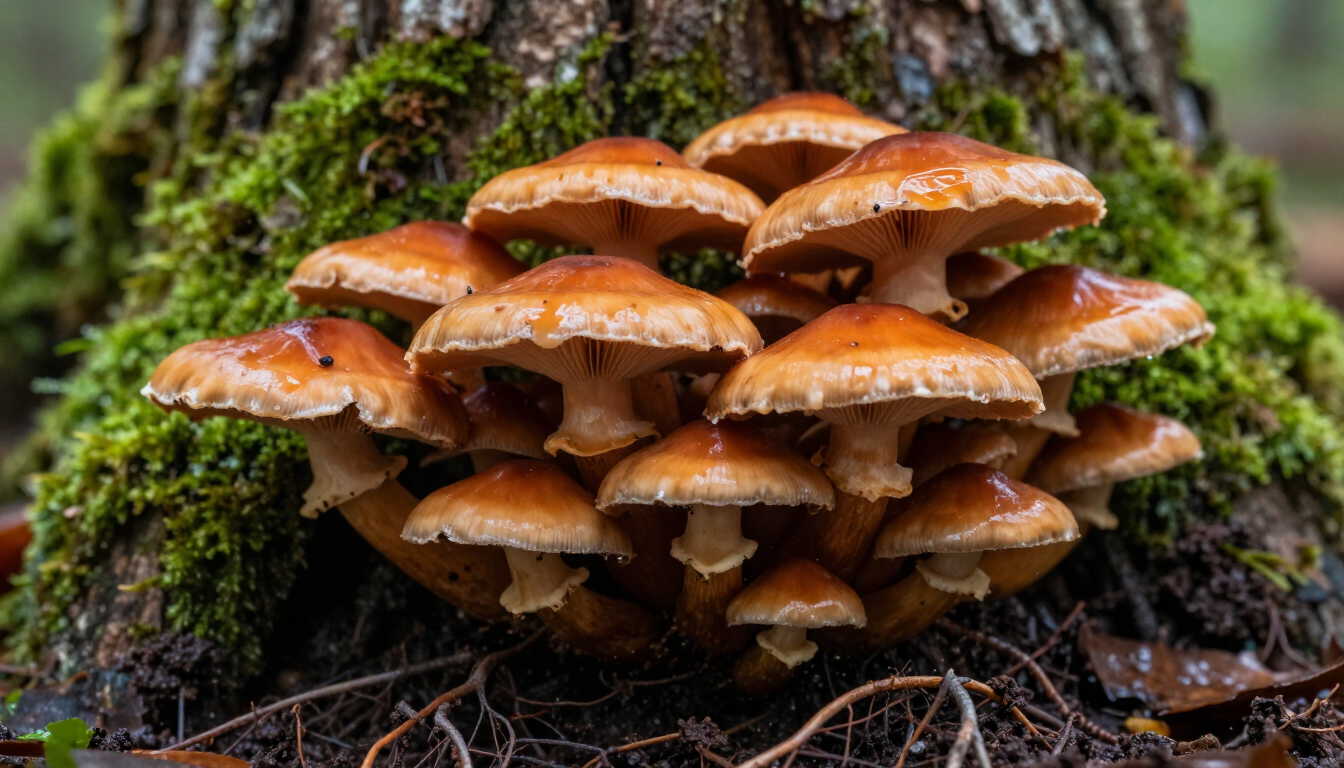
If you see mushrooms, conks, or shelf-like fungi growing at the base of the trunk or on the main roots, you are looking at the fruiting bodies of decay-causing organisms. These fungi feed on the cellulose and lignin that give a tree its strength.
- Root Rot: If mushrooms are sprouting from the ground near the root flare, the roots underground are likely rotting away. Since the roots act as the tree's anchor, a rotten root system means there is nothing holding the tree up.
- Internal Decay: Fungi growing directly on the trunk often indicate that the heartwood is decaying. A tree can look green and healthy on the outside while being almost entirely hollow on the inside.
6. Large Hollow Cavities
Cavities are common in older trees and can provide habitat for wildlife, but they are also structural weaknesses. A tree can survive with some hollowness, but if the shell of sound wood surrounding the cavity is too thin, the tree will collapse. As a general rule, if more than 30% to 35% of the tree is hollow or decayed, it is considered a high-risk hazard. This is a common issue we see when performing Woodland Tree Services on aging landscape trees that haven't had regular maintenance.
Is my tree safe after a storm?
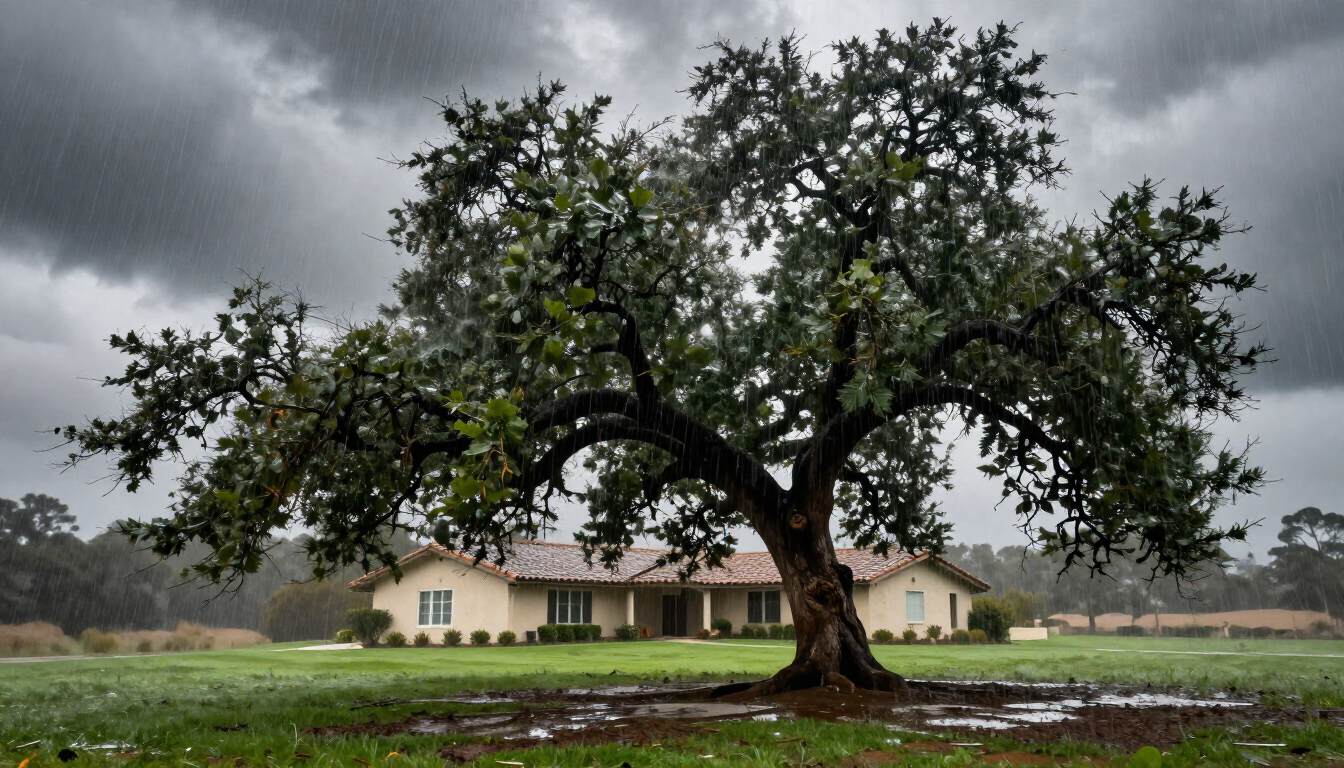
After high winds or heavy rain in the Davis and Sacramento area, it is vital to perform a visual inspection. The soil becomes saturated, which loosens the grip roots have on the earth.
7. Weak Branch Unions (V-Shaped Crotches)
Take a look at where the main branches meet the trunk. Are they shaped like a "U" or a "V"? A U-shaped union is generally strong. However, a tight V-shaped union often indicates "included bark." This is when the bark grows inward between the two branches, preventing them from bonding together firmly. Over time, as the branches grow heavier, they act as levers, eventually prying themselves apart. If you see a crack forming at the base of a V-shaped union, the tree is at imminent risk of splitting in half.
8. Premature Leaf Drop or Poor Leaf Health
Trees communicate their health through their foliage. If your tree is losing leaves in the middle of summer, or if the leaves are significantly smaller and more yellow than in previous years, the tree is under extreme stress. While this could be due to drought, it is often a sign that the root system is failing or the tree is being choked by a disease. A tree that cannot produce enough energy through photosynthesis will eventually sacrifice its structural integrity to survive, leading to a higher fall risk.
Immediate Actions for Hazardous Trees
If you identify any of these eight signs, the next steps are crucial for your safety. Do not attempt to remove large hanging branches yourself, as they are unpredictable and extremely heavy.
- Clear the Area: Ensure that no cars are parked under the drip line of the tree and keep children and pets away.
- Contact a Certified Arborist: A professional can perform a "resistograph" test or a visual assessment to determine the extent of internal decay.
- Consult with Professionals: If the tree is within 10 feet of power lines, contact your local utility company immediately.
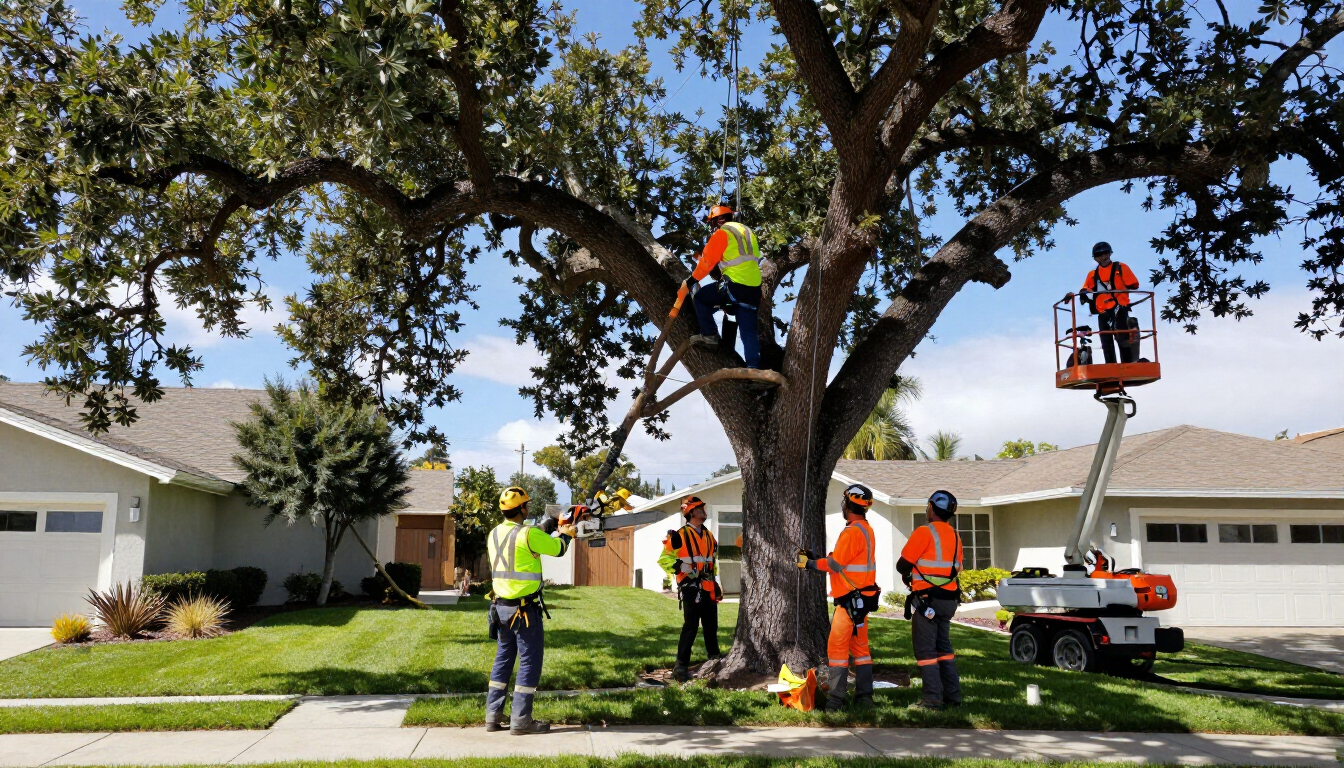
- Schedule Service: In many cases, a tree can be saved through cabling, bracing, or strategic Tree Trimming . However, if the decay is advanced, Tree Removal is the only safe option.
Why Professional Assessment Matters in Yolo County
At Woodland Tree Service Inc., we have over 10 years of experience serving the specific needs of homeowners in Woodland and Davis. Our local climate—characterized by long dry spells followed by intense winter winds—puts unique stresses on our local tree population. Denis and our team are lead by professional arborist standards to ensure every job, from Stump Grinding to complex removals, is handled with precision. We pride ourselves on leaving your property cleaner than we found it and ensuring your family is safe from potential tree hazards.
Key Takeaways for Tree Safety
- Watch for Changes: Any sudden change in lean or leaf color is a reason for concern.
- Inspect the Base: Fungi and heaving soil are the most reliable indicators of root failure.
- Check the Trunk: Deep cracks and missing bark signal that the tree is losing its structural strength.
- Professional Help: Always consult a licensed and insured service like Davis Tree Services for a definitive safety rating.
If you are worried about a tree on your property, don't wait for the next storm. Identifying these eight signs early can save you thousands in property damage and ensure the longevity of your landscape.
Recent Posts