
How to Prevent Tree Damage During Bad Weather (5 Steps)
To prevent your tree from damaging your property during bad weather, you must prioritize structural pruning, conduct regular health assessments, and maintain healthy soil. Identifying hazards like deadwood, co-dominant stems, and root decay before storm season allows for proactive measures that significantly reduce the risk of structural failure during high winds.
Why do trees fall during storms in Woodland and Davis?
Living in Yolo County, we are no strangers to the powerful weather patterns that sweep through the Sacramento Valley. From the intense heat of summer to the heavy "Atmospheric Rivers" in winter, our local trees face unique environmental stressors. When a tree fails during a storm, it is rarely a random event. Usually, it is the result of a pre-existing weakness that was exploited by high winds or saturated soil.
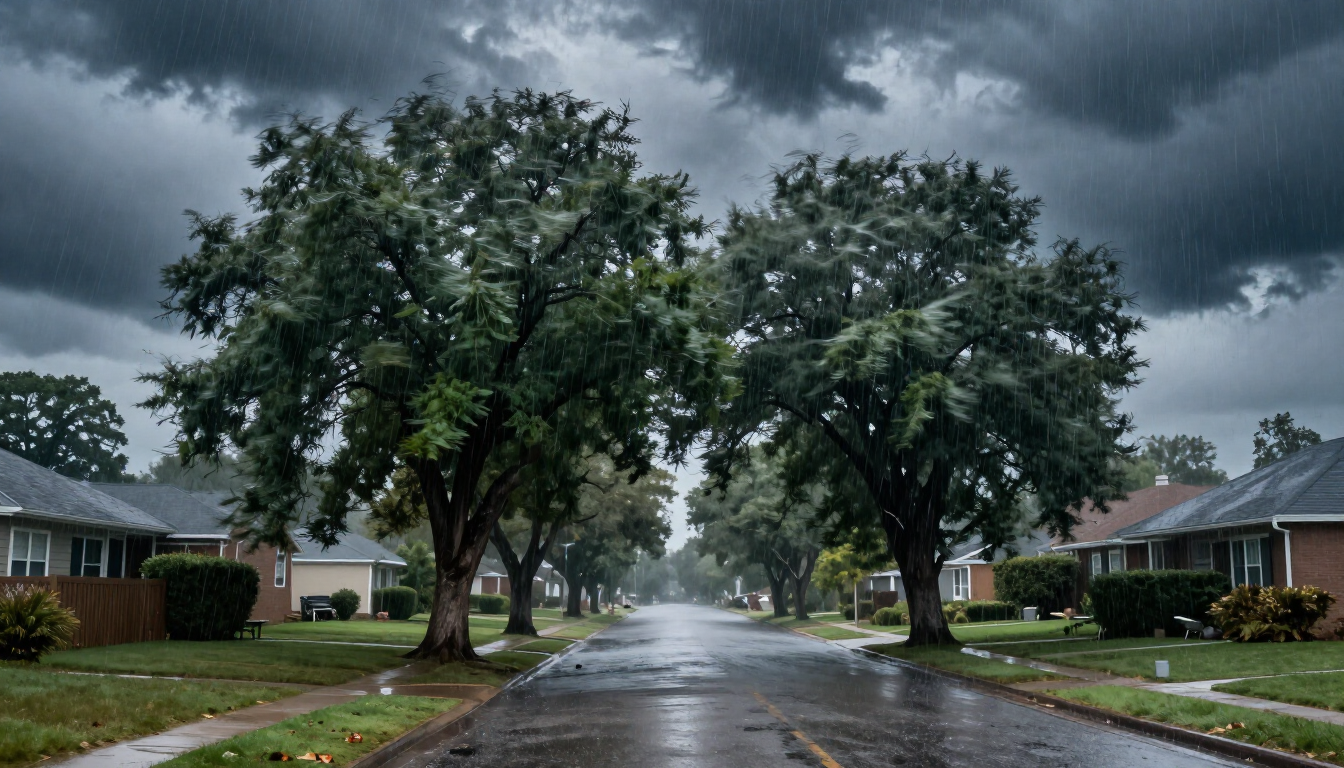
In Woodland and Davis, our soil composition plays a major role. Much of our region features clay-heavy soils. During heavy rain, these soils become saturated and lose their "shear strength." If a tree has a compromised root system—perhaps due to past construction or drought—the wet soil acts like a lubricant, allowing the entire root ball to heave and tip over. This is why we see so many uprooted trees after a multi-day rain event.
Wind is the second major factor. Trees act like large sails. In a healthy tree, the canopy is open enough to let wind pass through. However, if a tree hasn't been properly thinned, it catches the full force of the wind. This puts immense torque on the trunk and roots. If the wind speed exceeds the structural capacity of the wood or the anchoring power of the roots, damage is inevitable.
What are the warning signs of a hazardous tree?
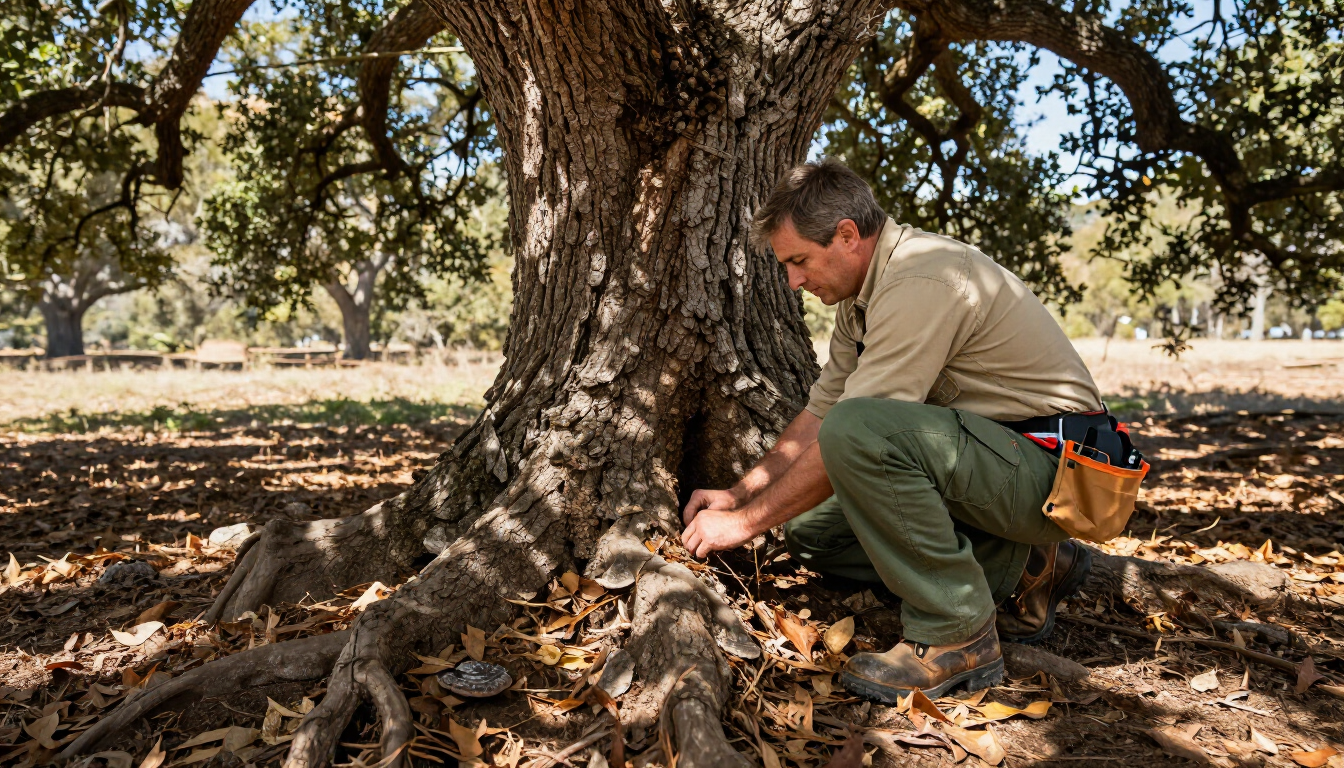
Before the next storm hits, homeowners should conduct a visual inspection of their landscape. Many indicators of potential failure are visible to the naked eye if you know what to look for. Early detection is the key to Tree Trimming that can save the tree and your home.
- Dead or Hanging Branches: Large, leafless limbs are often the first things to fall in moderate wind. These "widow-makers" can cause significant roof damage.
- V-Shaped Crothes: When a tree has two main trunks growing in a "V" shape, it creates a weak point called "included bark." These are highly prone to splitting down the middle.
- Fungal Growth at the Base: Mushrooms or conks growing around the root flare are often signs of internal rot. If the roots are decaying, the tree's anchor is failing.
- Cracks and Cavities: Deep cracks in the trunk or large hollow areas indicate structural instability that may not withstand heavy gusts.
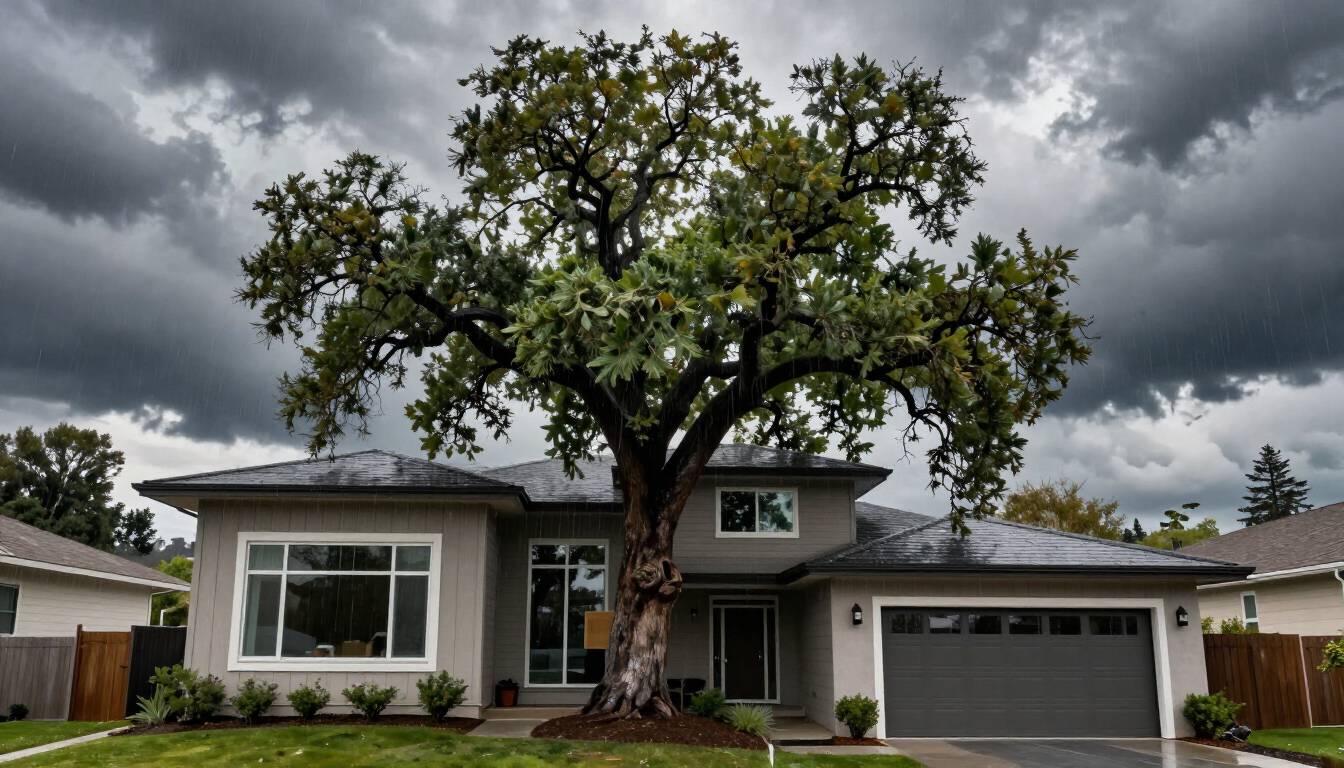
- Leaning Trees: A tree that has suddenly started to lean, or has mounded soil on the side opposite the lean, is in immediate danger of falling.
If you notice any of these signs, it is time to consult a professional. At Woodland Tree Service Inc., our team, led by Denis, provides expert evaluations to determine if a Tree Removal is necessary or if the tree can be mitigated through cabling or trimming.
How does regular pruning help prevent storm damage?
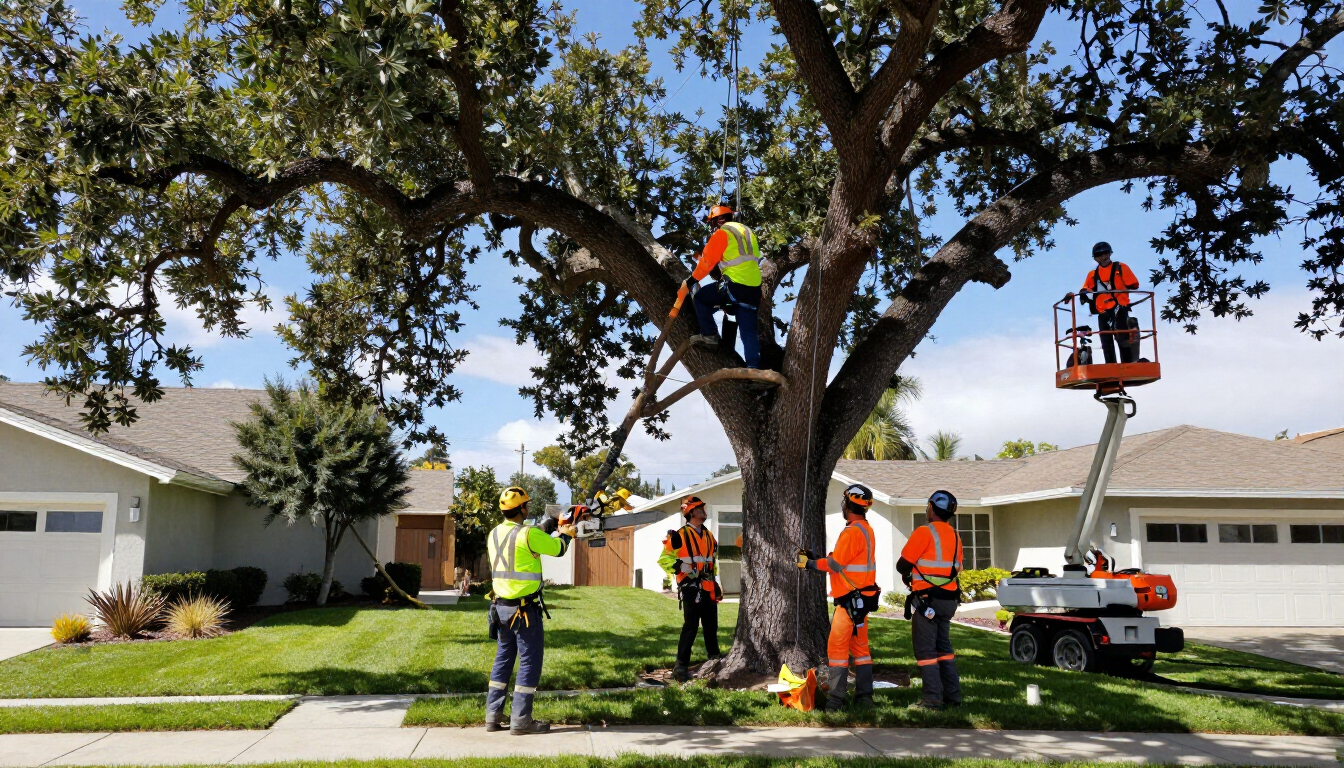
Pruning is not just about aesthetics; it is a critical safety measure. Structural pruning focuses on the architecture of the tree. By removing specific branches, an arborist can redirect the tree's growth and improve its ability to withstand external forces. This is a core part of our Tree Maintenance and Emergency Removal philosophy.
One of the primary techniques we use is "crown thinning." This involves the selective removal of smaller branches within the canopy. The goal is to reduce the "sail effect" mentioned earlier. When the canopy is less dense, wind can pass through the tree more easily, reducing the physical load on the trunk. It also allows more sunlight to reach the inner branches, promoting stronger, more resilient wood growth.
Another important aspect is weight reduction. If a large limb is overextended—growing too far horizontally away from the trunk—the leverage it exerts is massive. During a storm, the weight of rainwater on the leaves combined with the force of the wind can cause these limbs to snap. By shortening these limbs and thinning the ends, we move the center of gravity closer to the trunk, making the tree much more stable.
The Impact of Soil Health on Tree Stability
Many homeowners overlook what’s happening underground. The roots are the foundation of your tree's safety. In the Davis and Woodland areas, urban environments often lead to soil compaction. When soil is compacted by foot traffic or vehicles, it lacks the oxygen and pore space needed for healthy root growth. Weak roots mean a weak tree.
Furthermore, our cycle of drought and deluge in California is hard on root systems. During dry years, trees may lose a portion of their fine feeder roots. When the heavy rains finally arrive, the tree is less capable of anchoring itself. Implementing a Preventative Care Package that includes mulching and proper irrigation can keep those roots deep and strong, providing the ballast the tree needs when the wind picks up.
When is the best time to schedule tree maintenance for bad weather?
The best time to prepare for a storm is when the sun is shining. In Northern California, the ideal window for structural pruning is late fall and early winter, before the heaviest storms arrive. This is often referred to as the "dormant season" for many species. Pruning while the tree is dormant reduces stress and prevents the spread of certain diseases, such as Oak Wilt or Fire Blight.
However, hazard assessments should happen year-round. If you have large deciduous trees, like the Valley Oaks common in Woodland, it is actually easier to see structural defects in the winter when the leaves are gone. You can see every crack, every V-shaped union, and every dead branch that might have been hidden by summer foliage. If you wait until a storm is forecast to call for 24/7 Emergency Tree Service , you may find that local crews are already overbooked. Proactive scheduling ensures your property is ready before the clouds turn grey.
Can cabling or bracing save a vulnerable tree?
Not every hazardous tree needs to be cut down. For trees that have high value—either for shade, history, or sentimental reasons—we can often use structural supports like cabling and bracing. This is a specialized service offered by Woodland Tree Service Inc. to help maintain the integrity of trees that might otherwise fail.
Cabling involves installing high-strength steel cables between major limbs. This limits the distance they can move independently during a storm, allowing the branches to support one another. Bracing involves installing threaded rods through the trunk or a split crotch to provide rigid support. When combined with professional trimming, these methods can extend the life of a tree for decades.
- Reduces Stress: Cables absorb some of the energy from the wind.
- Prevents Splitting: Braces hold together co-dominant stems.
- Preserves Canopy: Keeps large, beautiful limbs from falling.
- Safety Buffer: Provides peace of mind during high-wind events.
- Expert Install: Must be done by certified professionals to avoid further damage.
Choosing Between Tree Trimming and Removal
Sometimes, despite our best efforts, a tree simply cannot be made safe. This is a difficult decision for many homeowners in Davis and Woodland, where we value our urban forest deeply. However, property safety must come first. If a tree has more than 30-40% internal decay, or if its root system has been severely compromised by construction or disease, Tree Removal is often the only responsible choice.
Our team uses various diagnostic tools and years of local experience to make these recommendations. We look at the "target"—what would the tree hit if it fell? If a leaning tree is situated next to a bedroom or a power line, the risk tolerance is much lower than a tree in an open field. We also consider the species; for example, some Eucalyptus species are notorious for "sudden branch drop," whereas our native Oaks are generally more robust but still require careful monitoring.
Preparing Your Landscape for the Storm Season
Preparation goes beyond the trees themselves. A holistic approach to your yard can minimize damage. Clear your gutters of leaves and twigs so that water doesn't overflow and saturate the ground directly around the base of your trees. Ensure that any young trees are properly staked—but not too tightly, as they need a little movement to develop "trunk taper" and strength.
If you have a large property or manage commercial land, you might benefit from Public Sector & Municipal Tree Services to handle large-scale risk mitigation. Whether you are in Roseville or Folsom, the principles of storm prep remain the same: inspect, correct, and protect. Taking these steps now prevents the heartache of seeing a century-old tree lying across your driveway next February.
Is emergency tree service necessary after a light storm?
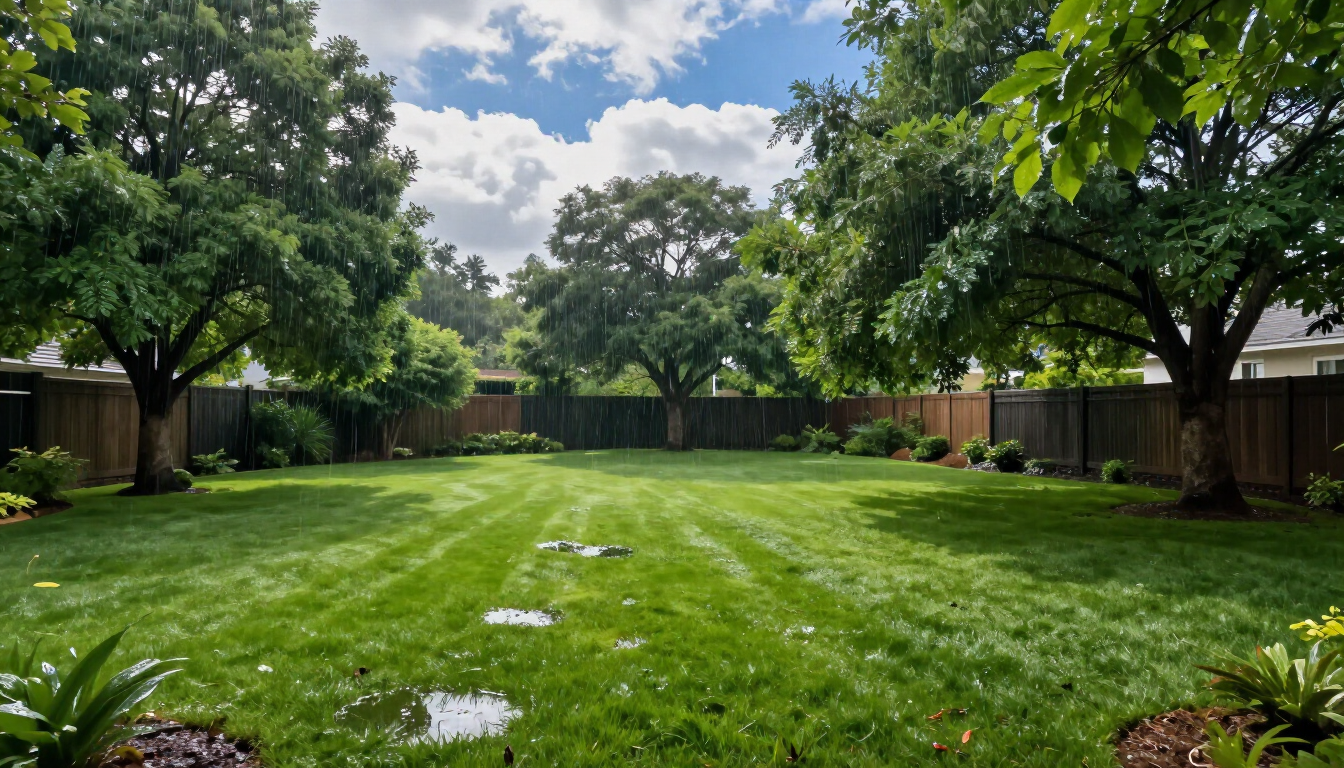
Even if your trees survived a storm without falling, the stress of high winds can cause "invisible" damage. Small cracks can form in the canopy, or the soil may have shifted just enough to loosen the roots. We recommend a quick walk-around after any significant weather event in the Sacramento Tree Services area.
Look for freshly fallen small twigs, as this could indicate the tree is shedding stressed wood. Check for any new lean or
Recent Posts